

Transitional Safeguarding and Extra-familial Risk
🏷️ From £90
🎧 All safeguarding practitioners involved in transitional and contextual safeguarding approaches to support the wellbeing of young people. Sixth form colleagues, university, college, employers and apprenticeship providers.
📍 Online
🎥 Watch live or on catch up
Course outline:
Transitions from one setting to another, and from childhood to adulthood, are recognised turning points and islands of vulnerability as young people gain adult status, greater agency and independence.
This webinar gives a brief overview of what extra-familial risk is and who is most vulnerable. It explores how contextual safeguarding approaches, in conjunction with transitional safeguarding tools, support and protect young people as they prepare to fly the nest.
Training topics will include:
- What is extra-familial risk and what does it include and who is most vulnerable?
- Extra familial risk and transitional safeguarding: does it have a role in outduction?
- Contextual safeguarding approaches to extra-familial risk including preventative education programmes and disruption.
Learning outcomes:
- Increased knowledge and understanding of the scope of extra-familial risk
- Improved understanding of how contextual safeguarding approaches and working together to disrupt extra-familial risk positively impacts safeguarding outcomes for young people who are moving on to adult life
- Confidence about how programmes of outduction and transitional safeguarding tools may contribute to improved safeguarding outcomes.
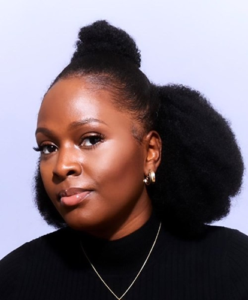 Speaker: Njilan Morris-Jarra, Research Assistant, Global Centre for Contextual Safeguarding (GCCS)
Njilan has over 10 years’ experience working with young people across youth justice, education, prisons and community settings. She holds a BSc in Sociology and an MSt in Social Innovation from the University of Cambridge, where her award-winning dissertation explored police involvement in multi-agency youth work. Her research focuses on anti-oppressive practice, policing, racial injustice and community-based alternatives to harm. She also develops training and workshops on trauma-informed practice, consent, abolition and transformative justice, alongside research on the experiences of Black girls in schools.